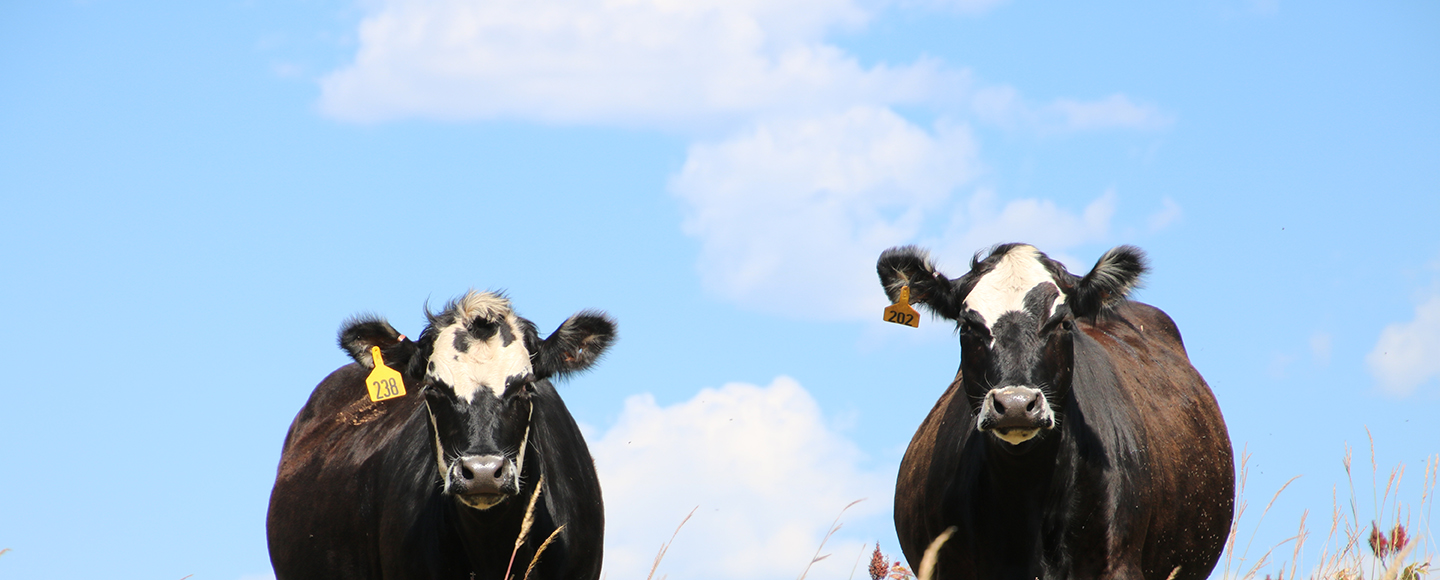
Researchers with the University of Arkansas Agricultural Experiment Station are testing two treatments that may help ranchers protect their cattle from theileriosis, which is caused by the parasite Theileria orientalis Ikeda, carried primarily by the Asian longhorned tick. Cases of the disease in Arkansas increased drastically in 2025, just a year after being confirmed in the state. The tick reached Kansas in October 2025.
With no approved drugs or vaccines currently available in the U.S. to treat or prevent the pathogen, rapid-response strategies are being sought to mitigate the disease. Researchers at the Arkansas Agricultural Experiment Station received a two-year, $492,218 grant from USDA’s National Institute of Food & Agriculture to conduct the study.
As part of their research, a prescription anti-tick vaccine will be evaluated for long-term protection. Additionally, the slow-release parasiticide eprinomectin will be used alongside currently labeled acaricides for the Asian longhorned tick. The eprinomectin will be compared with two available pyrethroid products. Both treatments are commercially available and could be adopted quickly by producers.
In cattle, the symptoms of theileriosis tend to mirror those of anaplasmosis, a bacterial disease also transmitted by ticks. Signs may include weight loss, reduced milk production, loss of appetite, anemia and reproductive losses. One major difference is that theileriosis can cause symptoms in cattle of any age and signs of anaplasmosis typically occur in older cattle. For more information on theileriosis, click here.