Late last night, Mexico’s National Service of Agro-Alimentary Health, Safety and Quality confirmed a new case of New World screwworm (NWS) in the state of Nuevo León, which is less than 70 miles from the U.S. border. This now is the northernmost detection of NWS during this outbreak and the one most threatening to the U.S. livestock industry.
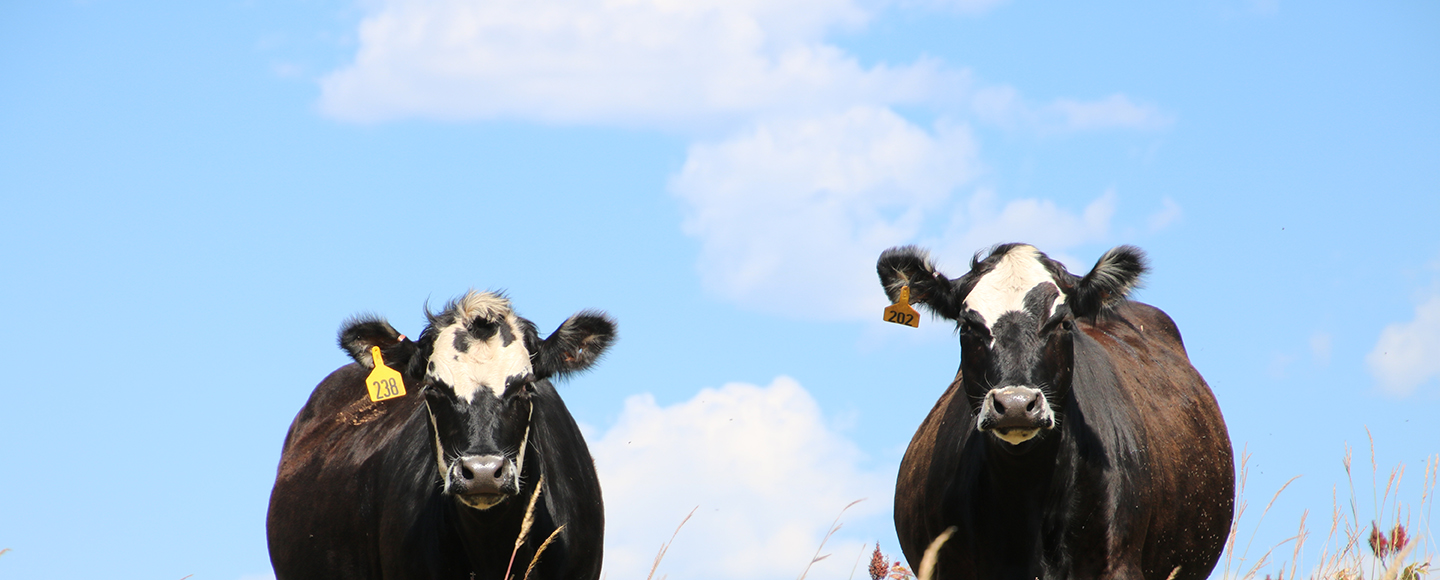
Preliminary reports from Mexico indicate the affected animal—an 8-month-old cow—recently had been moved to a certified feedlot in Nuevo León from a region in southern Mexico with known active NWS cases. The potential link to animal movement underscores the non-negotiable need for the country to fully implement and comply with the U.S.–Mexico Joint Action Plan for NWS in Mexico. Currently, U.S. ports remain closed to imports of cattle, bison and horses from Mexico.
“Protecting the United States from NWS is non-negotiable and a top priority of the Trump administration,” said U.S. Secretary of Agriculture Brooke Rollins. “This is a national security priority. We have given Mexico every opportunity and every resource necessary to counter NWS since announcing the NWS Bold Plan in June 2025. Nevertheless, American ranchers and families should know that we will not rely on Mexico to defend our industry, our food supply or our way of life. We are firmly executing our five-pronged plan and will take decisive action to protect our borders, even in the absence of cooperation.”
USDA continues to disperse 100 million sterile flies per week in Mexico, sourced from the COPEG facility in Panama. The U.S. agency also is providing support to Mexico to renovate a production facility in the southern part of the country, which is expected to produce an additional 60 to 100 million sterile flies.
Additionally, USDA has begun construction on a domestic sterile fly dispersal facility at Moore Air Force Base in Edinburg, TX. This $8.5 million facility, expected to be substantially complete by the end of 2025, will be capable of dispersing up to 100 million sterile flies per week. Planning also is underway with the U.S. Army Corps of Engineers for the construction of a domestic sterile fly production facility in South Texas, with a projected capacity of 300 million flies per week.
For more information on NWS, click here.