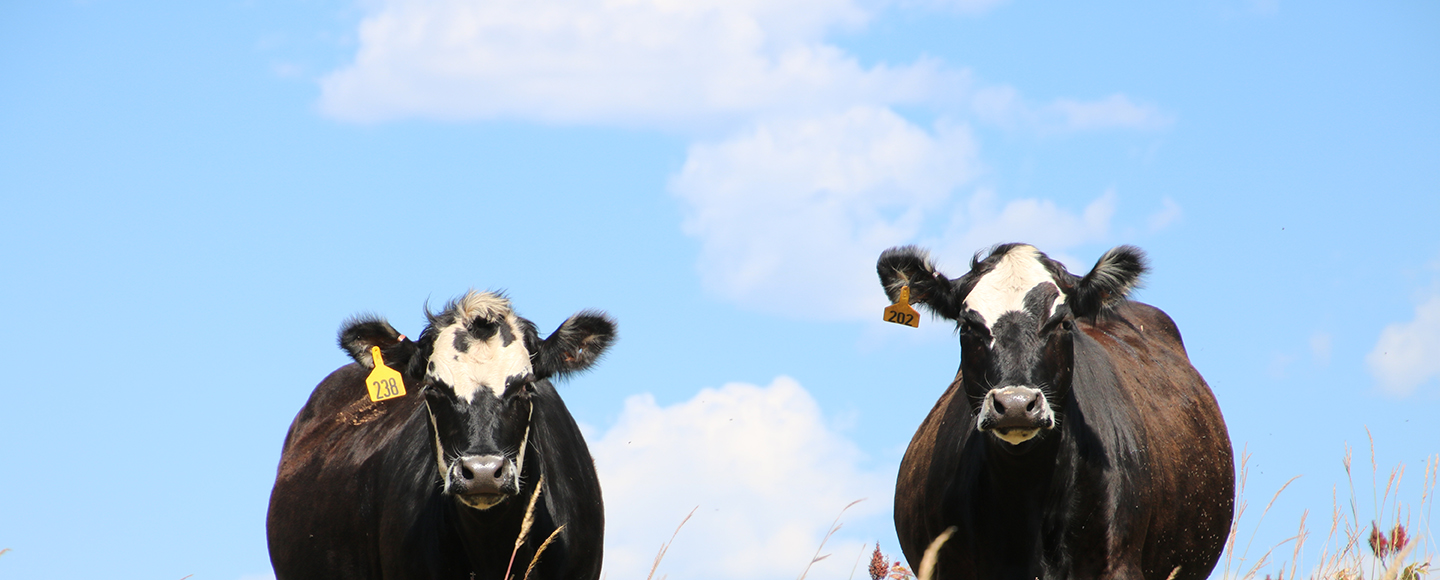
The Wells family hosted more than 150 livestock producers and industry stakeholders at their Woodson County ranch for the August 28 KLA/Kansas State University Ranch Management Field Day. Wells Ranch is owned and operated by Terry and Keturah Wells, along with Terry’s mother, Karen Adams, and consists of a cow-calf operation and stocker and backgrounding business.
The Wellses custom graze about 3,300 head of stocker cattle each year from April to July. An intensive rotational grazing program is employed on the ranch to ensure pastures receive sufficient time for rest and regrowth. The Wells family also has worked diligently to manage brush and noxious weeds such as sericea lespedeza through prescribed burning and chemical treatment. According to KC Olson, K-State cattle nutritionist, using more than one form of treatment is the best way to remove invasive species.
“Defoliation, whether through grazing or mowing, herbicide treatment and prescribed burning each need to be used to get the best results,” Olson told field day attendees. “Follow one form of treatment with a different one each year.” As part of the discussion on pasture management, Wade Newland, owner of Newland Ag Drones LLC, gave a spray drone demonstration. He said the drone can spray about 60 acres per hour, depending on field conditions.
A.J. Tarpoff, K-State beef veterinarian, also was on hand at the field day to discuss the Asian longhorned tick and the blood-borne parasite, Theileria orientalis, it is known to spread that causes theileriosis in livestock. While the tick has not been found in Kansas, theileriosis has been diagnosed in cattle imported to Kansas from other states. The most common symptoms are fever, loss of appetite, weight loss, lethargy and anemia.
“Once cattle are exposed, they will remain chronic carriers and relapses of the disease can occur,” Tarpoff said. Since there currently are no licensed treatments for theileriosis in the U.S., Tarpoff said tick control is key. He encouraged the use of more than one form of intervention, including ear tags, sprays, pour-ons and back rubs.
Additionally, Terry Wells gave a history of the ranch and the family took attendees on a tour of their cattle handling facilities.
The proceedings from the field day can be found here. The Farm Credit Associations of Kansas and Huvepharma sponsored the event.

Tarpoff